Understanding Culture Through Everyday Life
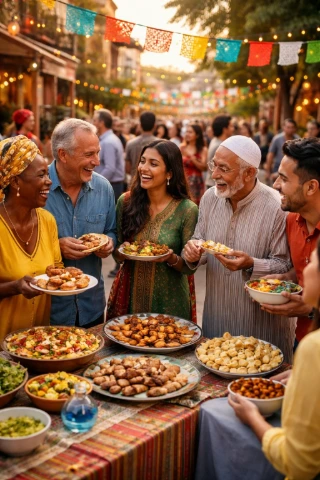
Anthropology offers a useful way to examine experiences that can otherwise seem ordinary or familiar. Family routines, neighbourhood relationships, celebrations, language, food, migration and ideas about home can all reveal how people understand themselves and the communities around them.
People, Identity and Belonging
A central part of our coverage examines the relationship between culture and identity. People may feel connected to a country, neighbourhood, language, religion, family tradition or several communities at once. Migration can make these connections particularly visible, as individuals establish lives in new places while maintaining memories, practices and relationships linked to somewhere else. We consider how belonging is created, challenged and redefined through these experiences.
Communities, Traditions and Change
Cultures continually adapt to new circumstances. Traditions can be passed between generations while also changing in response to urbanisation, migration, technology, globalisation and shifting social expectations. Our articles examine both continuity and transformation, from household routines and shared community spaces to wider changes in cultural practices. The goal is not to present one way of life as typical, but to recognise the variety of experiences found across different societies.
Different Ways of Documenting Human Experience
Understanding culture does not depend on written research alone. Images, voices, objects, memories and personal accounts can reveal aspects of everyday experience that conventional descriptions may overlook.
Visual and Multimodal Approaches
We explore photography, documentary film, drawing, sound recordings, oral histories and personal narratives as ways of studying and documenting human lives. These methods can preserve memories, record changing places and allow people to represent their own experiences. We also consider the responsibilities involved in this work, including questions of consent, representation and context. Through these different perspectives, Living Cultures aims to provide thoughtful, accessible material about how people create meaning, maintain relationships and navigate cultural change.